


Then read on for deeper written insight, context, and takeaways you won’t want to miss.
📈 How ETFs Can Gain Over 100%
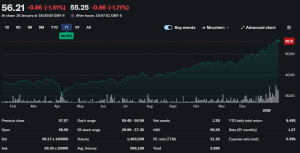
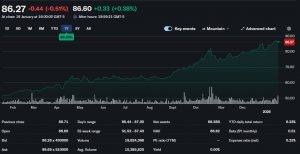
A headline “ETF gained over 100%” usually means:
📍 The ETF’s net asset value doubled over a period
📍 Returns include capital appreciation
📍 Some include dividends (total return) if reinvested
But raw percentage gains don’t tell the full story unless you look at:
-
Timeframe of returns
-
What drove the performance
-
Sector exposure
-
Market cycles
-
Volatility & drawdowns
🔍 What Many Investors Miss About ETF Performance
📌 1. Timeframe Matters
A 100% gain over 1 year is very different from a 100% gain over 5 years.
Short-term performance often reflects:
✔ Sector momentum
✔ Market rotation
✔ Macro trends
✔ Speculative flows
Long-term performance reflects:
✔ Compound growth
✔ Business fundamentals
✔ Diversification value
📌 2. Sector vs Broad Market ETFs
Some ETFs that gained over 100% were sector-specific, such as:
-
Technology ETFs
-
Semiconductor ETFs
-
Clean energy ETFs
-
Thematic/AI focused ETFs
Sector ETFs can outperform radically when their niche leads markets — but they can also underperform sharply when trends reverse.
Broad market ETFs (e.g., total market or S&P 500) are more stable but rarely double in short periods.
📌 3. Volatility and Risk
High returns often come with higher volatility.
That means:
❌ Sharper drawdowns
❌ Larger swings
❌ Greater emotional stress for investors
An ETF that doubled might also have fallen 30–40% in the process.
📌 4. Dividends and Total Return
Some performance reports only show price changes — but total return includes dividends and reinvestments.
Example:
-
ETF A: 100% price gain
-
ETF B: 70% price + 20% dividends
➡ ETF B may actually outperform in total return.
📌 A Better Way to Evaluate ETFs
Instead of focusing solely on whether ETFs gained over 100%, smart investors analyze:
🔹 Risk-Adjusted Returns
Measures return per unit of risk
🔹 Sharpe Ratio
Higher = more efficient return
🔹 Expense Ratios
Lower fees help long-term growth
🔹 Holdings & Diversification
Breadth vs concentration
🔹 Macro and Sector Drivers
Are gains sustainable?
📌 Example ETFs That Have Doubled (Contextual Insight)
Exact symbols and examples in the video or financial sources.
Some categories that have seen >100% gains in recent years include:
-
Technology & AI
-
Semiconductor suppliers
-
Clean energy & renewables
-
Thematic innovation funds
Outbound resource (for reference):
-
ETF Database: https://etfdb.com/analysis/
-
Morningstar ETF Research: https://www.morningstar.com/etfs
🧠 Long-Term vs Short-Term Returns
A key difference most people miss:
📍 Short term gains don’t guarantee future performance
📍 Long term returns require resilience through volatility
📍 Rebalancing matters more than timing the “top”
Seasoned investors build balanced ETF portfolios — combining growth and diversification instead of chasing past winners.
🔗 Related Articles from The Template Judge
Expand your knowledge with these proven insights:
-
Nobody Shows This Part of Dividend Investing
https://thetemplatejudge.com/nobody-shows-this-part-of-dividend-investing/ -
I Built a £54,000 Dividend Portfolio — Here’s the Income
https://thetemplatejudge.com/i-built-a-54000-dividend-portfolio-heres-the-income/ -
How Much Can You Make With AdSense on WordPress? (2026 Breakdown)
https://thetemplatejudge.com/how-much-can-you-make-with-adsense-on-wordpress-2026-breakdown/ -
How To Create a FREE Website in 2026
https://thetemplatejudge.com/how-to-create-a-free-website-in-2026/
These links strengthen your topical authority and boost SEO.
🌐 Helpful Resources
To deepen your ETF research and investing knowledge:
-
ETF Database — ETF Categories & Performance
https://etfdb.com/analysis/ -
Morningstar ETF Research Center
https://www.morningstar.com/etfs -
Investopedia ETF Guide
https://www.investopedia.com/etf-4689743
❓ FAQ — ETFs Gained Over 100%
Does a 100% gain mean it will keep rising?
No — past performance doesn’t guarantee future returns. Always consider risk and diversification.
Are sector ETFs riskier than broad market ETFs?
Yes — sector ETFs can be more volatile due to concentrated holdings.
Should I rebalance after big gains?
Often yes, especially if one ETF grows to dominate your allocation.
What is total return vs price return?
Total return includes dividends and reinvestments; price return does not.
🚀 Final Thoughts — What People Miss About ETF Returns
When some ETFs gained over 100%, many celebrated the percentage — but true investing success comes from understanding why it happened, how sustainable it is, and how it fits into a diversified strategy.
Headline returns are exciting — but depth and context make profitable investors.
👉 For more finance insights, investing strategy breakdowns, and high-quality guides, keep exploring The Template Judge.