


Free Keyword Tool
Generate keyword ideas, questions, and long-tail variations.
What This Free Keyword Tool Does
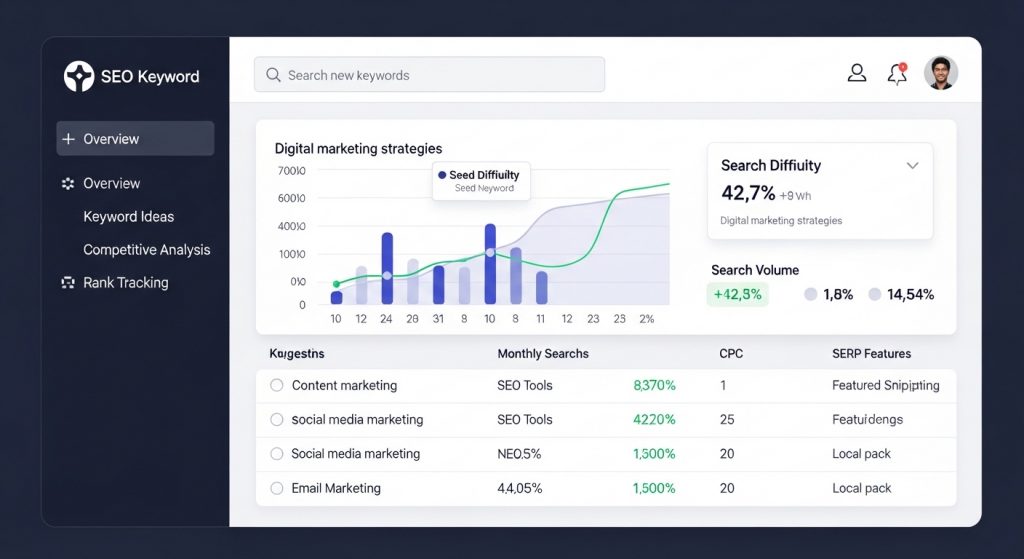
Your free keyword tool helps users discover keyword ideas quickly. Moreover, it focuses on low-competition opportunities that are easier to rank for. Therefore, it is useful for bloggers, niche site builders, and SEO beginners.
How to Use This Free Keyword Tool
Using the tool is simple and fast. Follow these steps:
- Enter your seed keyword
- Click generate keywords
- Review keyword suggestions
- Choose low competition terms
- Create optimized content
Additionally, focusing on long-tail keywords improves ranking potential.
Why Low Competition Keywords Matter
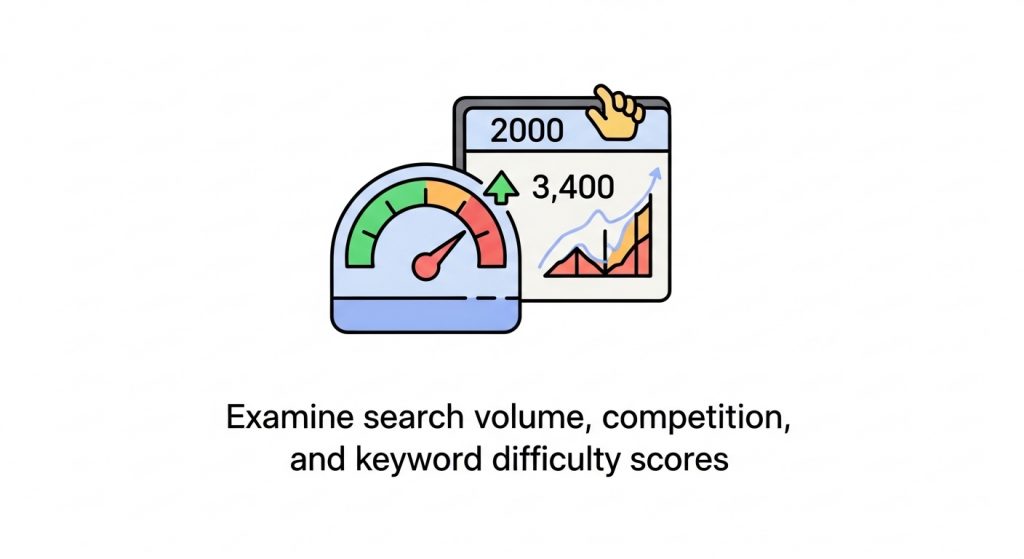
Low competition keywords are easier to rank for. Consequently, new websites can gain traffic faster. Instead of targeting broad terms, long-tail keywords allow you to build authority gradually.
Benefits include:
- Faster rankings
- More targeted traffic
- Higher conversion rates
- Better topical authority

Who Should Use This Keyword Tool
This free keyword tool is useful for:
- Bloggers
- Affiliate marketers
- SEO beginners
- Niche site builders
- SaaS founders
- Template website owners
Moreover, it helps users discover content ideas quickly.

Best Practices for Keyword Research
To maximize results, follow these keyword research tips:
- Focus on long-tail keywords
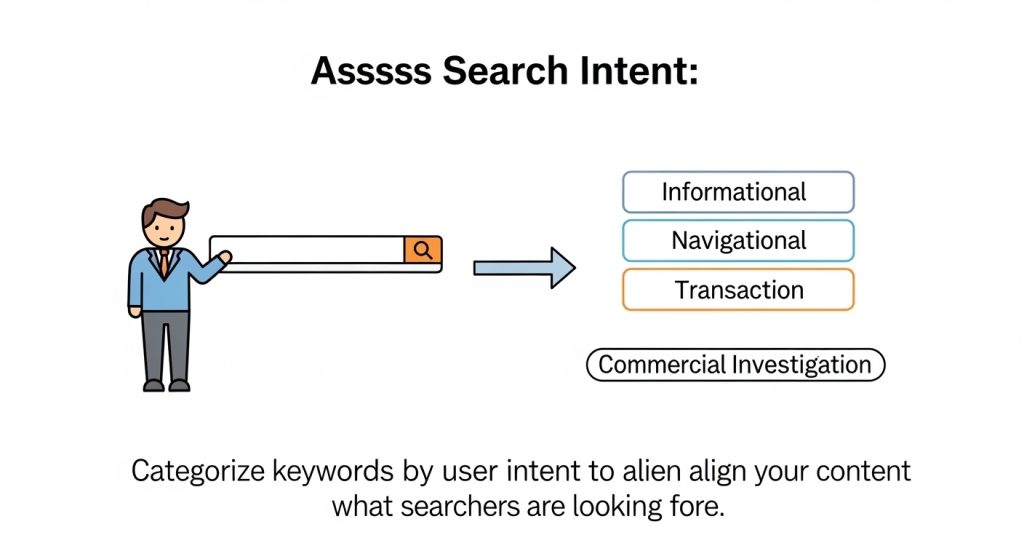
- Check search intent
- Use keywords in headings
- Add internal links
- Optimize meta descriptions
Furthermore, publishing consistently improves keyword rankings.
FAQ
Is this keyword tool really free?
Yes, this keyword tool is completely free and can be used without registration.
How do I find low competition keywords?
Enter a seed keyword and choose long-tail variations with lower competition and specific intent.
🔗 Related Articles from The Template Judge
Here are some helpful guides and popular posts from The Template Judge that go well with this topic and boost your internal linking (good for SEO and user engagement):
Nobody Shows This Part of Dividend Investing
https://thetemplatejudge.com/nobody-shows-this-part-of-dividend-investing/
How to Get Google AdSense Approved in 2025 (WordPress Themes & Plugins That Work)
https://thetemplatejudge.com/how-to-get-google-adsense-approved-in-2025/
How Much Can You Make With AdSense on WordPress? (2026 Breakdown)
https://thetemplatejudge.com/how-much-can-you-make-with-adsense-on-wordpress-2026-breakdown/
WordPress Tool Website Tutorial (Beginner Friendly)
https://thetemplatejudge.com/wordpress-tool-website-tutorial-beginner-friendly/
The BEST Website Design in WordPress (Real Examples)
https://thetemplatejudge.com/the-best-website-design-in-wordpress-real-examples/
Portfolio Website Design Ideas — Templates That Actually Convert
https://thetemplatejudge.com/portfolio-website-design-ideas-templates-that-actually-convert/
🌐 Helpful External Resources
- Investopedia — Delayed Gratification
https://www.investopedia.com/terms/d/delayed-gratification.asp - Behavioural Economics — Habits & Decision Making
https://www.behaviouraleconomics.com/resources/mini-encyclopedia/habits/ - MoneyHelper UK — Budgeting & Financial Discipline
https://www.moneyhelper.org.uk/
How to Use the Free Keyword Tool
- Enter a seed keyword or topic related to your niche.
- Generate the list of keyword ideas, questions, and long-tail variations.
- Scan the results for phrases that match what your audience actually searches for.
- Export or copy the best keywords to plan your content.
How to Read the Results
The tool expands a single seed keyword into many related ideas, including questions and long-tail phrases. Long-tail keywords (longer, more specific phrases) usually have lower competition and clearer intent, making them ideal targets for newer sites. Questions are especially valuable because they map directly to what people type into search and can be answered in FAQ sections or dedicated articles.
Tips to Get the Most Out of This Tool
- Build articles around question-based keywords — they often win featured snippets.
- Group related long-tail keywords into one comprehensive post rather than many thin ones.
- Prioritise keywords that match genuine buyer or reader intent over raw volume.
- Use the ideas to plan a content calendar rather than writing one-off posts.
Frequently Asked Questions
What is a long-tail keyword?
A longer, more specific search phrase (usually three or more words). They typically have less competition and higher intent than short, broad keywords.
Do I need search volume data to use these keywords?
Volume helps, but relevance and intent matter more for newer sites. A specific, low-competition keyword can be very worthwhile even with modest volume.
How many keywords should one article target?
One primary keyword plus a handful of closely related variations is a healthy approach, letting a single article rank for several terms.