

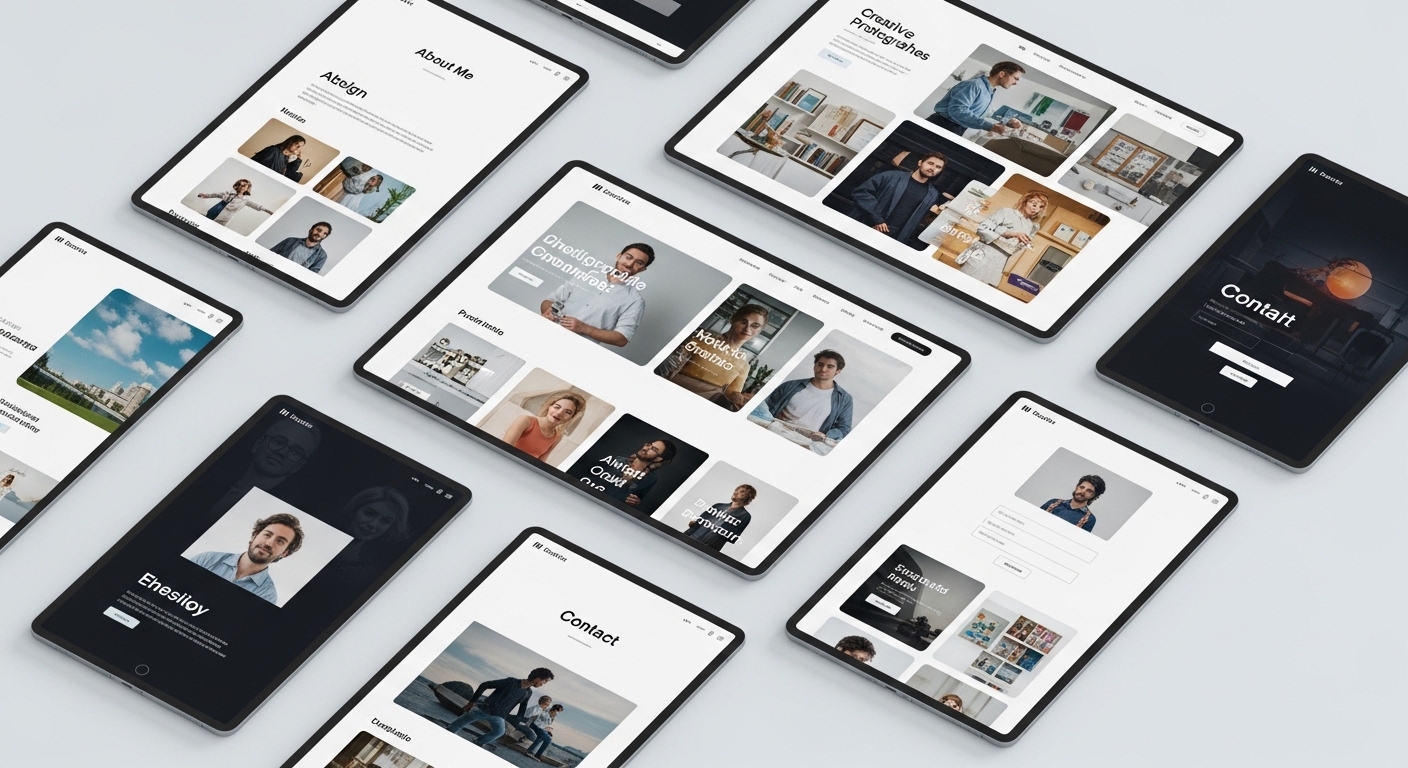
Choosing the right portfolio website templates is essential for creatives who want to showcase their work, attract clients, and build an online presence. Whether you’re a designer, photographer, developer, or artist, a strong portfolio can make all the difference.
In addition, modern portfolio templates are optimized for visual storytelling, responsive design, and performance. Therefore, selecting the right template ensures your work is presented professionally and clearly.
What Makes a Great Portfolio Website Template?
A portfolio website template should include:
- Clean and modern layout
- Project showcase grid
- Case study or detailed project pages
- About / bio section
- Testimonials or client logos
- Contact or inquiry forms
- Mobile-friendly and fast loading
As a result, these features make it easier for visitors to explore your work and contact you.
1. Minimal Portfolio Website Templates
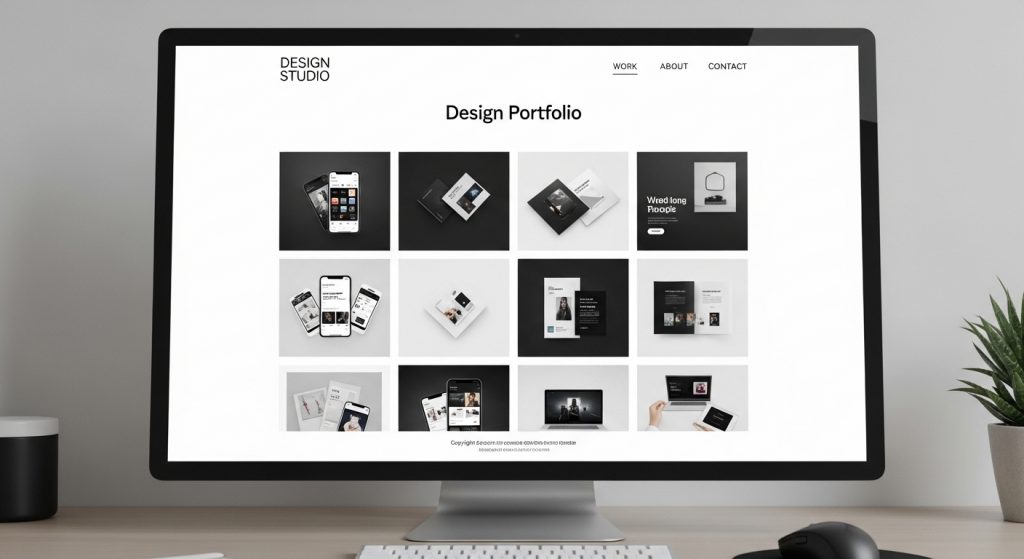
Minimal portfolio templates focus on clean design, typography, and whitespace. Therefore, they work best for designers and creatives who want a polished and distraction-free presentation.
Best for:
- Graphic designers
- Illustrators
- Freelancers
Key features:
- Simple hero section
- Project grid layout
- About and contact pages
2. Creative Portfolio Templates
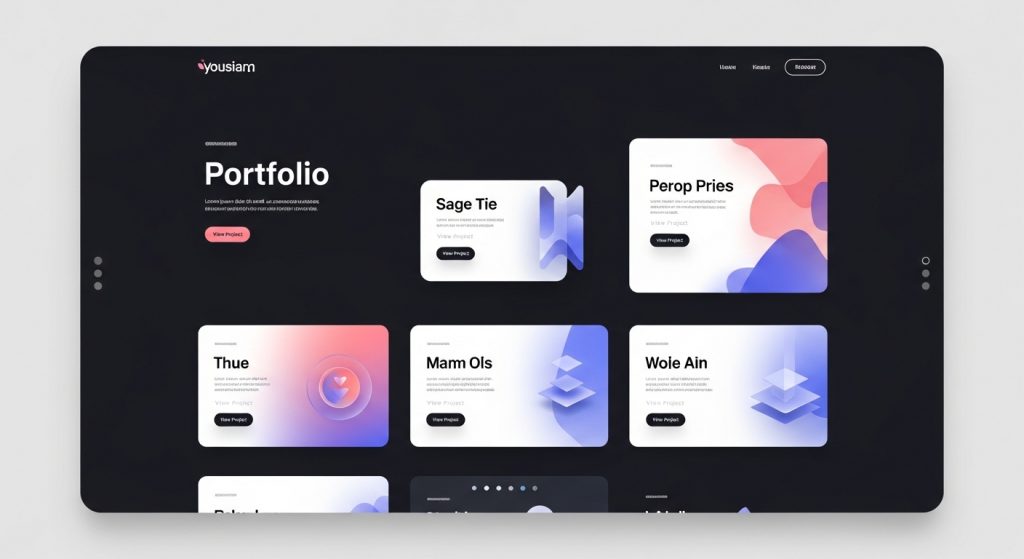
Creative portfolio templates allow for bold visuals, animations, and unique layouts. In addition, they help make a strong impression on potential clients.
Best for:
- Animators
- Motion designers
- Creative studios
Key features:
- Interactive portfolio
- Animated transitions
- Customizable project pages
- Visual storytelling sections
3. Photography Portfolio Templates
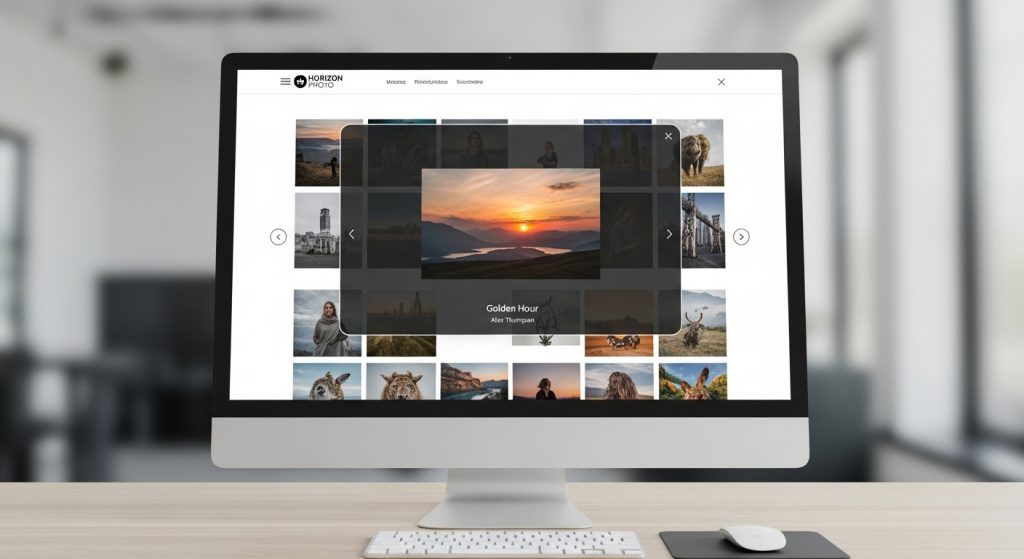
These templates are designed to showcase high-quality images elegantly. Therefore, they are perfect for photographers or visual artists.
Best for:
- Photographers
- Videographers
- Visual artists
Key features:
- Full-screen image galleries
- Lightbox preview
- Portfolio categories
- Contact form for bookings
4. Developer & Designer Portfolio Templates
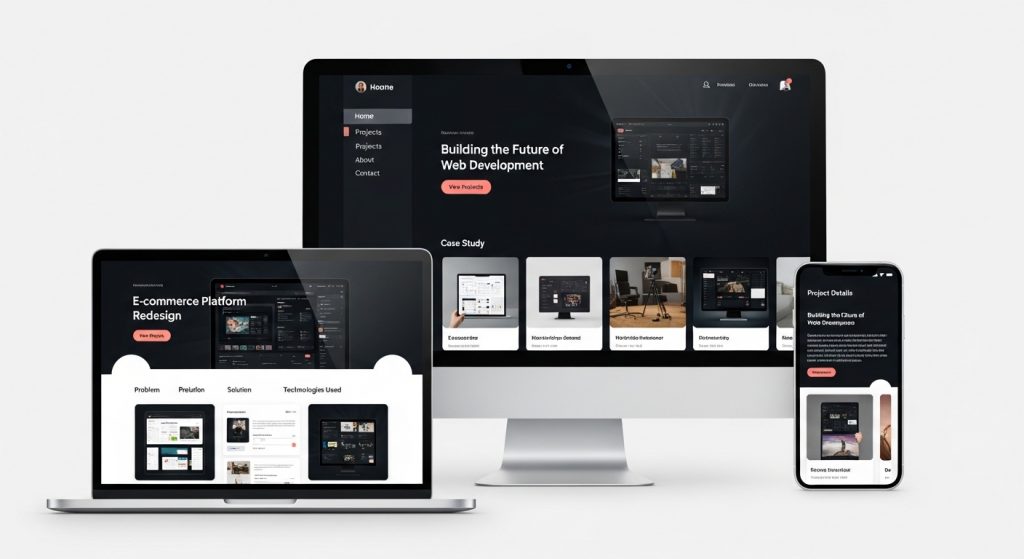
These templates focus on project details, code snippets, and case studies. As a result, they are ideal for developers and UX/UI designers.
Best for:
- Web developers
- UX/UI designers
- Freelance coders
Key features:
- Case study pages
- Tech stack showcase
- Project screenshots
- Downloadable resumes
5. Agency Portfolio Templates
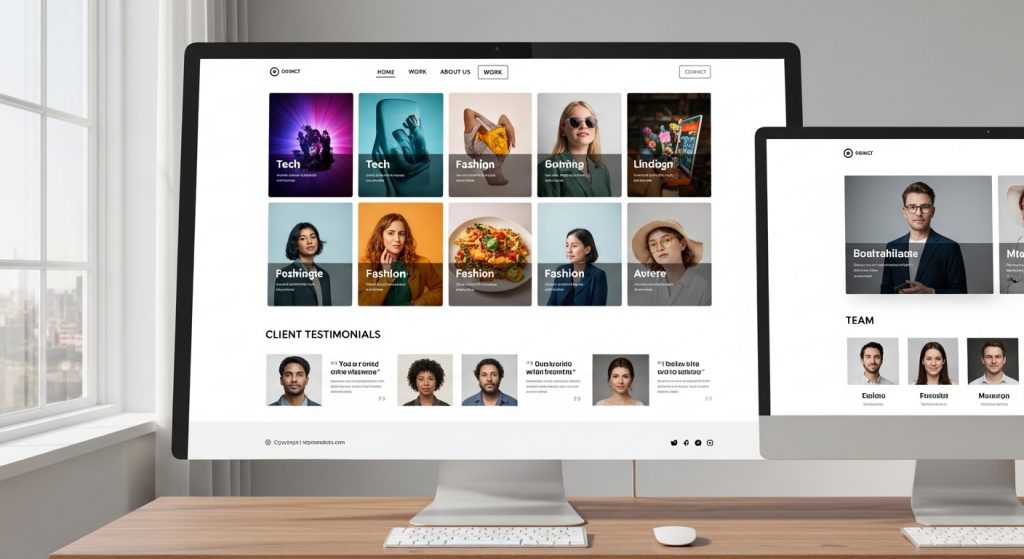
Portfolio templates for agencies highlight multiple team projects and client work. Therefore, they are suitable for creative agencies and studios.
Best for:
- Creative agencies
- Marketing agencies
- Design studios
Key features:
- Multi-project showcase
- Client testimonial sections
- Team pages
- Interactive project galleries
How to Choose the Right Portfolio Website Template
When selecting a portfolio template, consider:
- Your niche (designer, photographer, developer)
- Type of work to showcase
- Desired interactivity or animation
- Need for client contact or lead generation
- Mobile responsiveness and speed
Overall, the best template highlights your work clearly and makes it easy for clients to get in touch.
Free vs Premium Portfolio Templates
Free templates are great for starters, but premium templates typically offer:
- Better design quality
- More customization options
- Advanced project layouts
- Faster performance
- Ongoing support
Therefore, investing in a premium portfolio template can help you stand out professionally.
Final Thoughts on Portfolio Website Templates
Choosing the right portfolio website template helps creatives present work professionally and attract clients. In addition, a well-structured portfolio builds trust and credibility while encouraging potential clients to take action.
Focus on templates that highlight your projects, include strong visuals, and provide an easy way to contact you.
FAQ: Portfolio Website Templates
What should a portfolio website include?
A portfolio website should showcase projects, include an about section, testimonials, and a contact form.
Are portfolio templates SEO-friendly?
Most modern portfolio templates are optimized for speed, mobile responsiveness, and SEO best practices.
Which platform is best for portfolio templates?
WordPress, Webflow, and Framer are all popular choices depending on customization and design needs.
🔗 Related Articles from The Template Judge
Here are some helpful guides and popular posts from The Template Judge that go well with this topic and boost your internal linking (good for SEO and user engagement):
Nobody Shows This Part of Dividend Investing
https://thetemplatejudge.com/nobody-shows-this-part-of-dividend-investing/
How to Get Google AdSense Approved in 2025 (WordPress Themes & Plugins That Work)
https://thetemplatejudge.com/how-to-get-google-adsense-approved-in-2025/
How Much Can You Make With AdSense on WordPress? (2026 Breakdown)
https://thetemplatejudge.com/how-much-can-you-make-with-adsense-on-wordpress-2026-breakdown/
WordPress Tool Website Tutorial (Beginner Friendly)
https://thetemplatejudge.com/wordpress-tool-website-tutorial-beginner-friendly/
The BEST Website Design in WordPress (Real Examples)
https://thetemplatejudge.com/the-best-website-design-in-wordpress-real-examples/
Portfolio Website Design Ideas — Templates That Actually Convert
https://thetemplatejudge.com/portfolio-website-design-ideas-templates-that-actually-convert/
🌐 Helpful External Resources
- Investopedia — Delayed Gratification
https://www.investopedia.com/terms/d/delayed-gratification.asp - Behavioural Economics — Habits & Decision Making
https://www.behaviouraleconomics.com/resources/mini-encyclopedia/habits/ - MoneyHelper UK — Budgeting & Financial Discipline
https://www.moneyhelper.org.uk/