

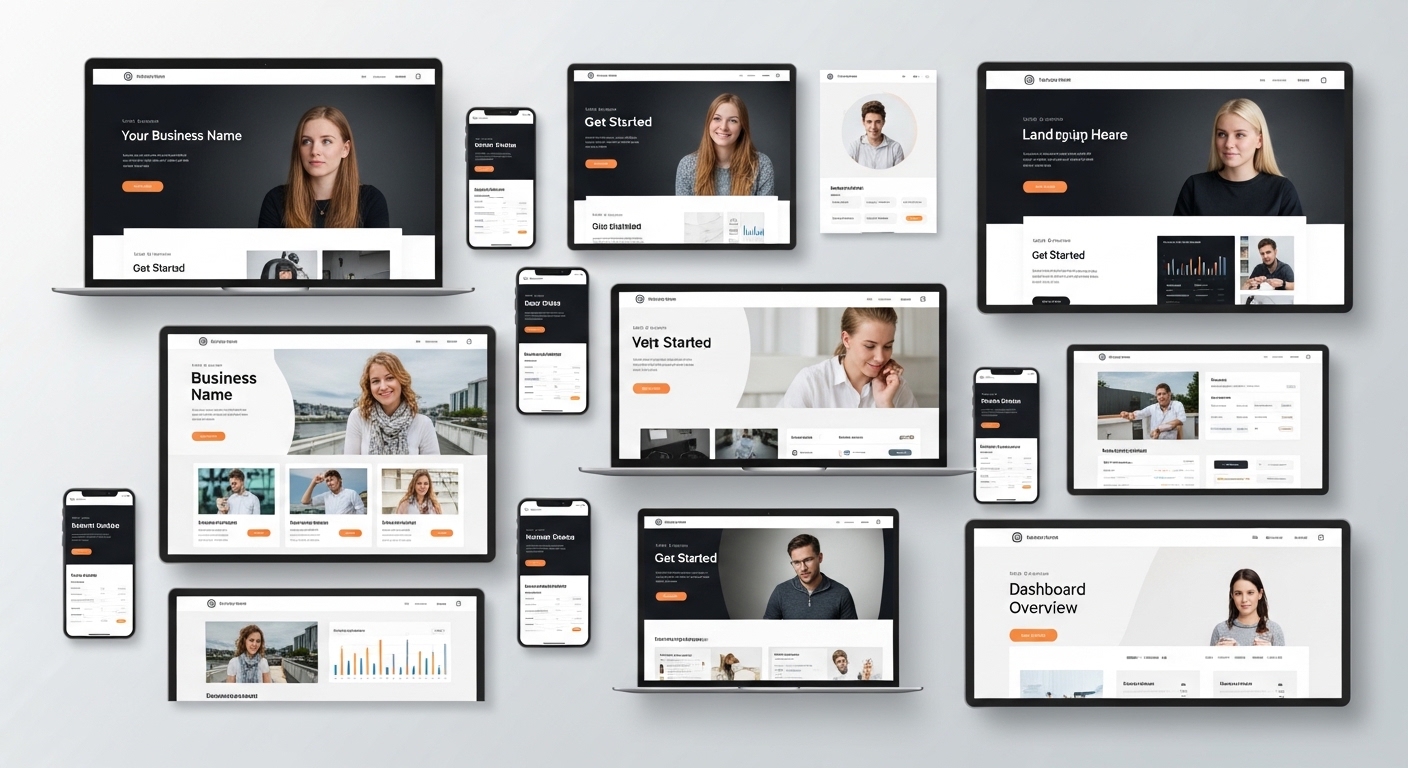
Choosing the right templates for SaaS can significantly impact conversions, signups, and product growth. A well-designed SaaS website builds trust, explains your product, and encourages users to start a free trial.
In addition, modern SaaS website templates are built specifically for product-led growth. Therefore, they focus on clear messaging, strong calls to action, and performance optimization.
What Makes the Best Website Templates for SaaS?
The best SaaS website templates usually include:
- Product-focused hero section
- Feature comparison sections
- Pricing tables
- Testimonials and logos
- Integration showcase
- FAQ section
- Clear signup CTA
As a result, these elements help convert visitors into users.
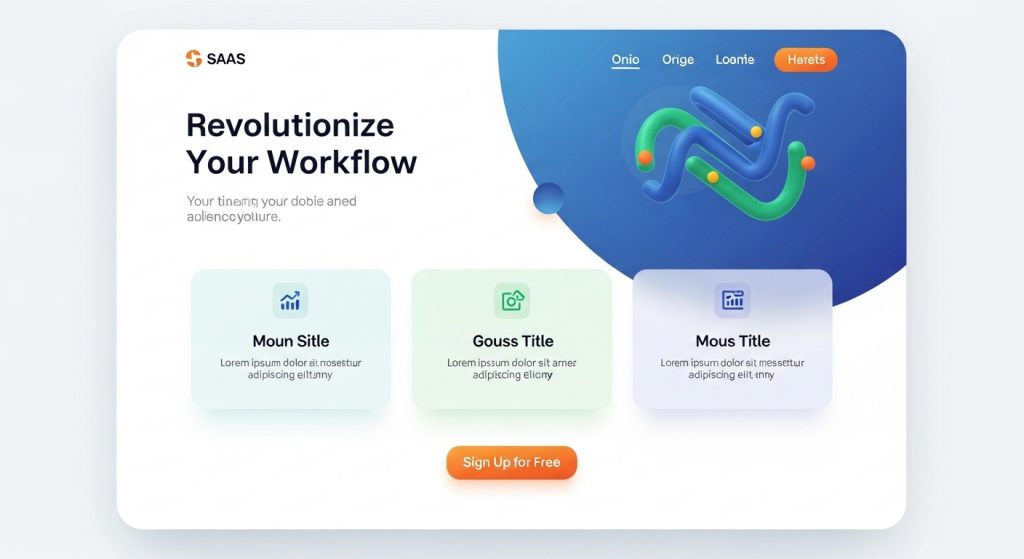
1. Startup Landing Page Website Templates for SaaS
Startup landing page templates focus on explaining the product quickly. Therefore, they are ideal for new SaaS businesses.
Best for:
- Early-stage startups
- MVP launches
- Product validation
Key features:
- Hero with value proposition
- Feature blocks
- Signup CTA
- Social proof
2. Product-Focused SaaS Website Templates
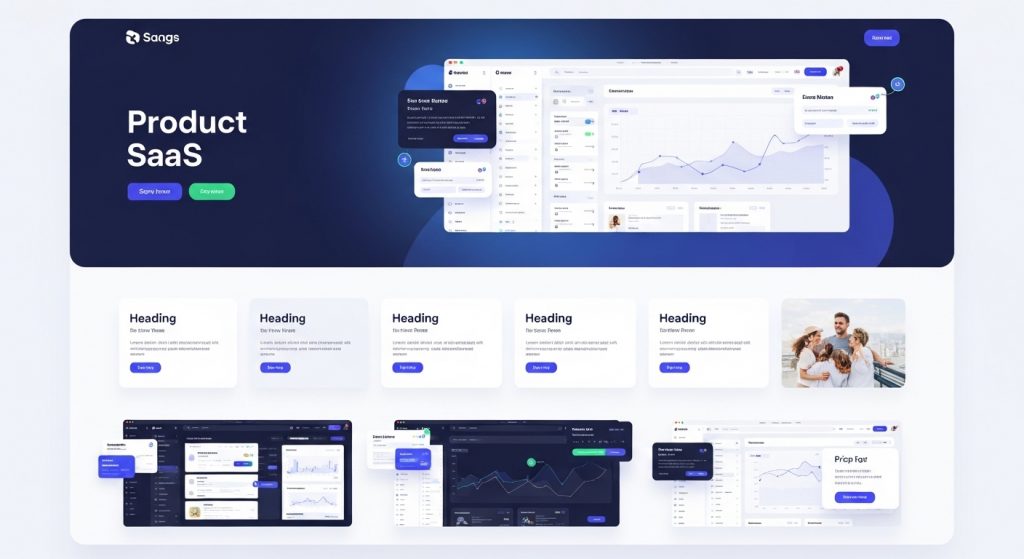
Product-focused templates for SaaS highlight features and functionality. In addition, they often include integration sections.
Best for:
- Software tools
- Productivity apps
- B2B SaaS platforms
Key features:
- Feature sections
- Integration logos
- Screenshots
- Demo CTA
3. SaaS Templates with Pricing Page Layouts
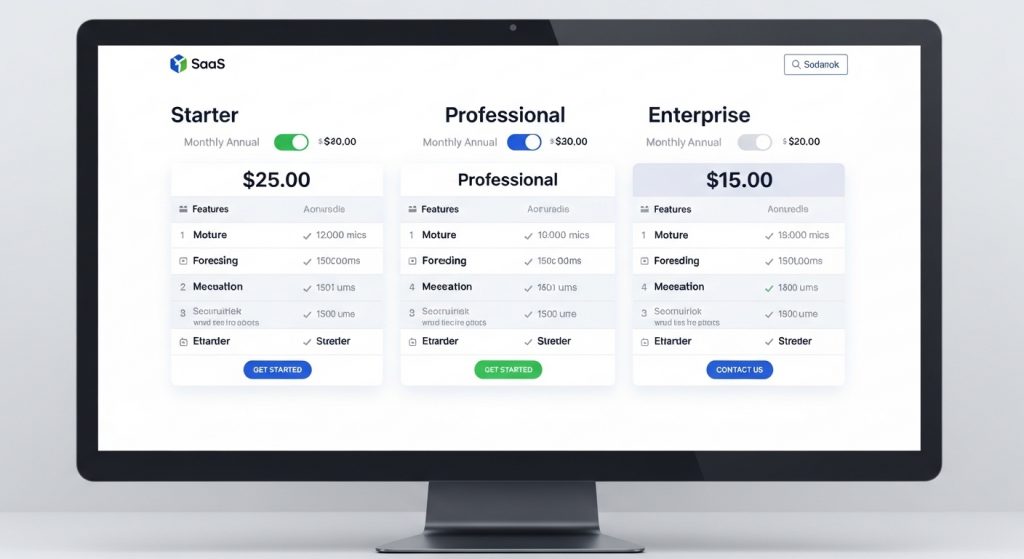
Pricing-focused templates emphasize conversion. Therefore, they work well for subscription-based SaaS products.
Best for:
- Subscription SaaS
- Tiered pricing products
- Freemium models
Key features:
- Pricing comparison tables
- Feature breakdown
- FAQ section
- CTA buttons
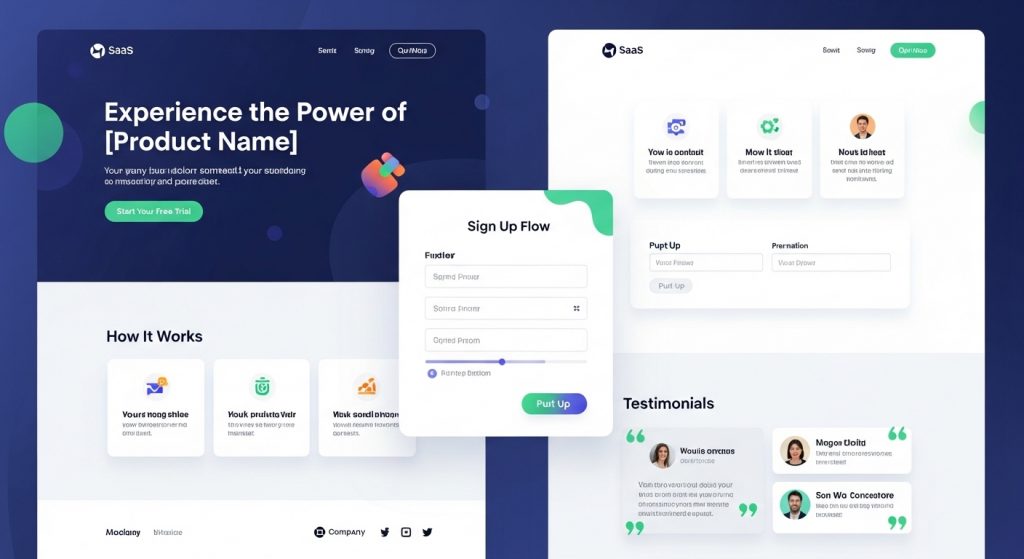
4. SaaS Website Templates for Product-Led Growth
These templates for SaaS are designed to drive signups. As a result, they prioritize onboarding and product demos.
Best for:
- Product-led growth SaaS
- Freemium tools
- Online platforms
Key features:
- Product demo section
- Signup flow
- Testimonials
- Use case sections
5. Minimal SaaS Website Templates
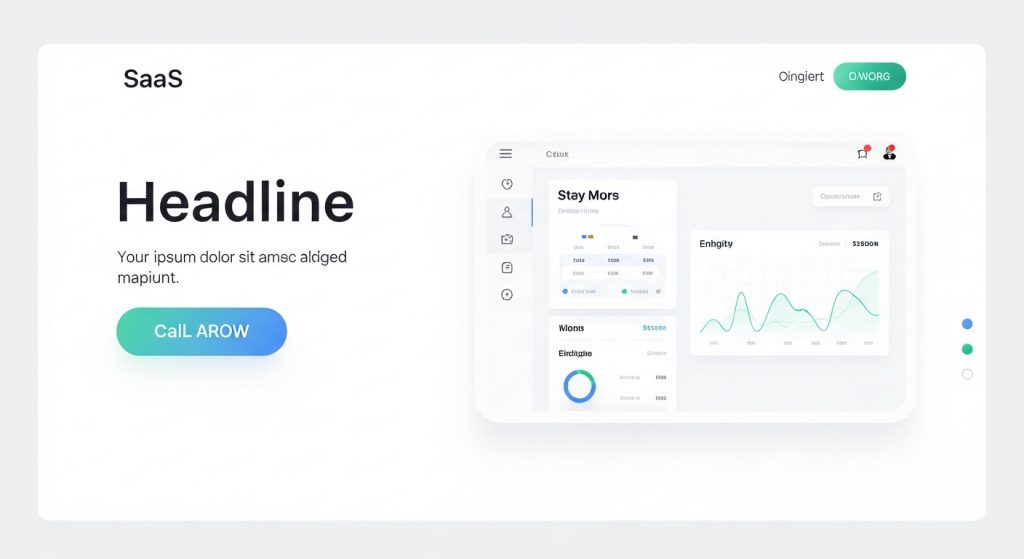
Minimal SaaS templates focus on clarity. However, they still include strong conversion elements.
Best for:
- Simple SaaS tools
- Indie hackers
- Solo founders
Key features:
- Clean layout
- Simple feature list
- Lightweight design
- CTA sections
How to Choose Website Templates for SaaS
When selecting templates for SaaS, consider:
- Product complexity
- Target audience
- Pricing model
- Need for demos
- Conversion goals
Overall, the best SaaS template clearly communicates value and encourages signups.
Free vs Premium SaaS Website Templates
Free SaaS templates are useful for testing ideas. However, premium templates typically offer:
- Better UX design
- More conversion sections
- Faster loading speed
- Better responsiveness
- More customization
Therefore, premium SaaS templates often perform better.
Final Thoughts on Website Templates for SaaS
The right templates for SaaS can dramatically improve conversions. In addition, they help present your product clearly and professionally.
Focus on templates that highlight features, include pricing sections, and encourage users to sign up.
FAQ: Website Templates for SaaS
What should a SaaS website include?
A SaaS website should include features, pricing, testimonials, and signup calls to action.
Are SaaS templates optimized for conversions?
Most modern SaaS templates are designed specifically for conversions and product growth.
Which platform is best for SaaS templates?
Webflow, WordPress, and Framer are all popular for SaaS websites.
🔗 Related Articles from The Template Judge
Here are some helpful guides and popular posts from The Template Judge that go well with this topic and boost your internal linking (good for SEO and user engagement):
Nobody Shows This Part of Dividend Investing
https://thetemplatejudge.com/nobody-shows-this-part-of-dividend-investing/
How to Get Google AdSense Approved in 2025 (WordPress Themes & Plugins That Work)
https://thetemplatejudge.com/how-to-get-google-adsense-approved-in-2025/
How Much Can You Make With AdSense on WordPress? (2026 Breakdown)
https://thetemplatejudge.com/how-much-can-you-make-with-adsense-on-wordpress-2026-breakdown/
WordPress Tool Website Tutorial (Beginner Friendly)
https://thetemplatejudge.com/wordpress-tool-website-tutorial-beginner-friendly/
The BEST Website Design in WordPress (Real Examples)
https://thetemplatejudge.com/the-best-website-design-in-wordpress-real-examples/
Portfolio Website Design Ideas — Templates That Actually Convert
https://thetemplatejudge.com/portfolio-website-design-ideas-templates-that-actually-convert/
🌐 Helpful External Resources
- Investopedia — Delayed Gratification
https://www.investopedia.com/terms/d/delayed-gratification.asp - Behavioural Economics — Habits & Decision Making
https://www.behaviouraleconomics.com/resources/mini-encyclopedia/habits/ - MoneyHelper UK — Budgeting & Financial Discipline
https://www.moneyhelper.org.uk/